


Can a Custom Lighting Manufacturer Work from a Rendering?
Quick Answer
Yes. An experienced custom lighting manufacturer can use an interior rendering, fixture rendering, concept sketch, or reference image as the starting point for a project.
A rendering communicates the intended shape, proportions, materials, lighting mood, and relationship between the fixture and the surrounding space. However, it usually does not contain enough technical information for direct manufacturing. Before production begins, the manufacturer must confirm dimensions, materials, internal structure, light sources, electrical requirements, mounting conditions, and installation details.
The typical process moves from rendering review and feasibility assessment to technical drawings, material approval, quotation, prototyping, and final production.
A Rendering Can Start the Project, but It Is Not a Production Drawing
Interior designers often specify a distinctive chandelier or decorative fixture in a hotel, restaurant, reception area, or other commercial space before detailed product drawings are available.
At this stage, the designer may only have:
- An interior rendering showing the fixture in the space
- A close-up 3D image of the proposed light
- A concept sketch
- A mood board
- A reference photo with requested changes
- A preliminary 3D model
- A combination of several visual references
These materials can be sufficient to begin a custom chandelier design project. They help the manufacturer understand the design language and identify the main features that should be preserved.
However, a visual rendering is created primarily to communicate appearance and atmosphere. It may show how a bespoke chandelier should look, but it normally does not explain how the fixture will be supported, assembled, wired, transported, or installed.
The rendering therefore serves as the design starting point. Engineering drawings and approved specifications are still required before manufacturing.

What Types of Renderings Can a Manufacturer Work From?
A custom lighting manufacturer does not always need a complete industrial design package during the first discussion. Different types of visual material can support an initial review.
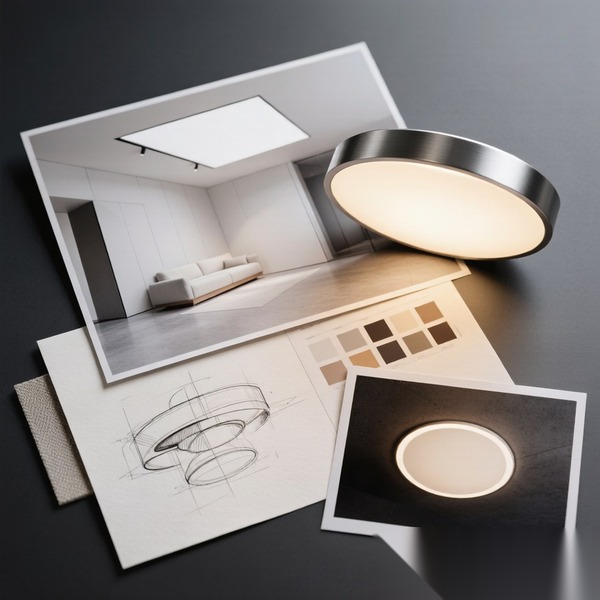
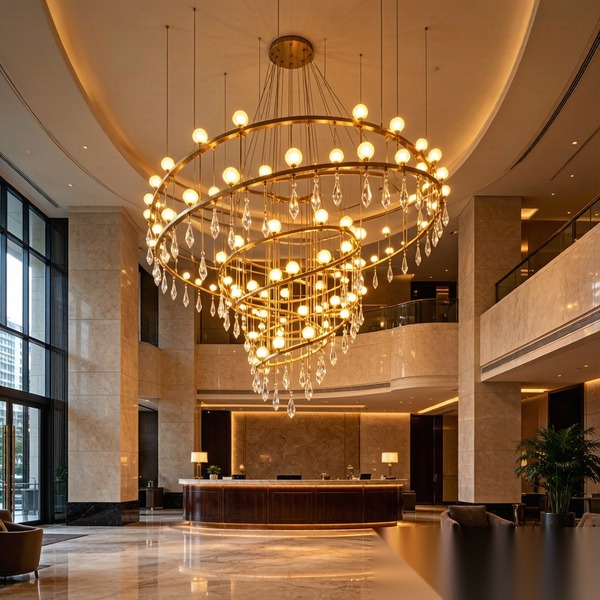
Interior Space Renderings
A complete interior rendering helps the manufacturer understand:
- The type of space
- Ceiling height
- The visual importance of the fixture
- Its relationship with furniture and architectural features
- The intended lighting atmosphere
- The approximate scale of the installation
This is particularly valuable for hotel lobbies, restaurants, banquet venues, stairwells, reception areas, and other spaces where the fixture becomes part of the overall interior composition.
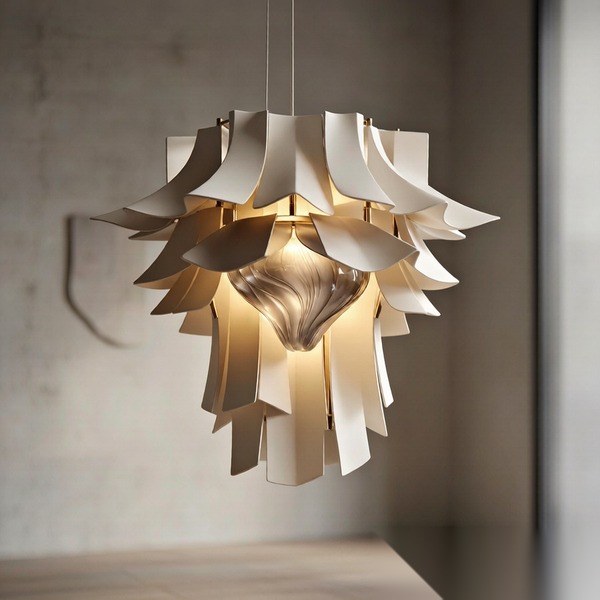
Fixture Close-Ups
A close-up rendering provides more information about:
- Fixture shape
- Decorative details
- Material combinations
- Surface texture
- Light-emitting areas
- Suspension arrangement
- Repeated modules or components
Several viewpoints are more useful than a single front-facing image because they reveal the depth and construction logic of the design.
Concept Sketches
A hand-drawn sketch can also be used to start a project. It may not contain exact dimensions, but it can communicate:
- The overall silhouette
- The arrangement of components
- The intended movement or rhythm
- The approximate suspension method
- Important design details
The manufacturer can then develop the concept into a more precise custom chandelier design.
Reference Images
Reference images are useful when the designer wants to combine an existing visual style with project-specific changes.
For example, the designer may request:
- A similar form in a larger size
- A different metal finish
- A revised glass shape
- A more compact suspension arrangement
- A new composition adapted to the project space
A reference image should be treated as design guidance rather than a complete production standard. Dimensions, materials, structure, and intellectual property considerations still need to be reviewed.
What Can the Manufacturer Understand from a Rendering?
A good rendering allows the manufacturer to identify the design intention before discussing technical details.
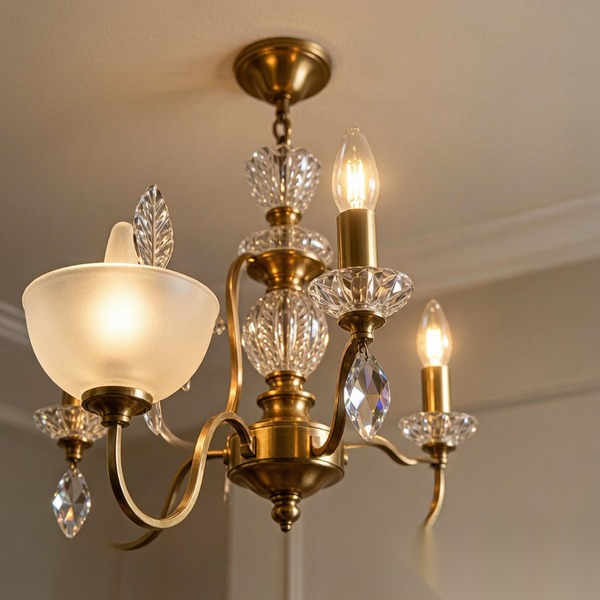
Overall Shape and Visual Language
The rendering shows whether the fixture is:
- Geometric or organic
- Minimalist or highly decorative
- Symmetrical or irregular
- Compact or visually expansive
- A single fixture or a multi-piece installation
This helps determine which production methods may be suitable.
Proportion within the Space
Even when the exact fixture dimensions are not shown, the rendering can indicate how the light should relate to:
- Ceiling height
- Reception desks
- Dining tables
- Staircases
- Seating areas
- Columns and architectural openings
The manufacturer can use this information as an initial reference before confirming actual site dimensions.
Material and Finish Direction
The image may suggest materials such as:
- Brass
- Stainless steel
- Aluminum
- Glass
- Crystal
- Acrylic
- Resin
- Fabric
- Stone or ceramic elements
It may also indicate whether the desired finish is polished, brushed, plated, painted, aged, matte, transparent, or textured.
Lighting Effect
The rendering can communicate whether the fixture should produce:
- Soft diffused light
- Downward task lighting
- Indirect illumination
- Decorative glowing effects
- Sparkling crystal reflections
- A combination of functional and atmospheric light
This information guides the later selection of LEDs, lamps, diffusers, drivers, and dimming systems.
Essential Design Features
The manufacturer should identify which features define the fixture and must remain visually consistent.
For a custom chandelier, these might include:
- The overall silhouette
- The spacing between decorative elements
- The curvature of the frame
- The proportion of glass to metal
- The suspension rhythm
- The visible light distribution
- A distinctive handcrafted detail
These priorities should be clarified before engineering changes are made.
What Cannot Be Confirmed from a Rendering Alone?
A rendering can show what the fixture should look like, but it rarely explains exactly how to manufacture it.
The following information usually cannot be confirmed from an image alone.
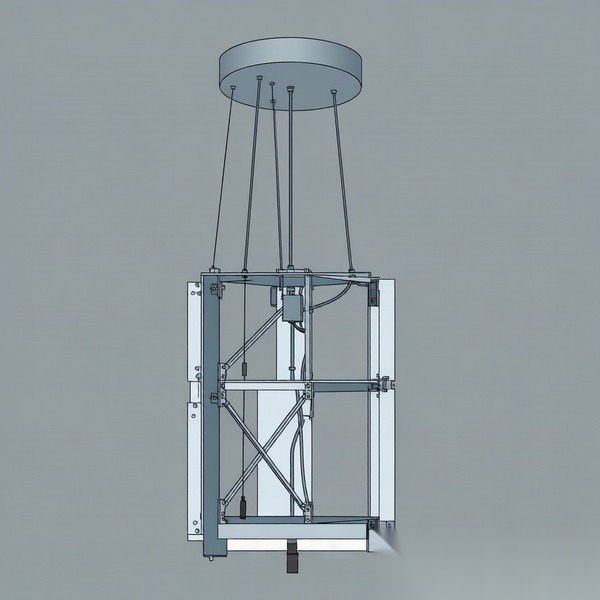
Exact Dimensions
The manufacturer needs accurate values for:
- Overall length
- Width or diameter
- Fixture height
- Suspension length
- Canopy dimensions
- Component sizes
- Installation height
- Required clearances
Without these details, the fixture may appear correctly proportioned in the rendering but be unsuitable for the actual space.
Internal Structure
The image normally does not show:
- Supporting frames
- Metal thickness
- Internal reinforcement
- Connection points
- Fasteners
- Suspension cables
- Weight distribution
- Service access
These elements are especially important for custom designed luxury chandeliers with complex forms or many decorative components.
Electrical Configuration
The manufacturer must also determine:
- Project voltage
- LED or lamp type
- Wattage
- Color temperature
- Color rendering requirements
- Driver location
- Wiring routes
- Dimming protocol
- Emergency or control-system requirements
A rendering may suggest the lighting effect, but it cannot define the complete electrical solution.
Mounting and Installation
The final design depends on:
- Ceiling construction
- Load-bearing capacity
- Mounting points
- Junction box location
- Access above the ceiling
- Installation equipment
- On-site assembly limitations
- Future maintenance requirements
These conditions can affect both the fixture structure and the installation method.
Manufacturing Tolerances
Digital renderings often include very thin edges, perfectly smooth curves, invisible joints, or unsupported decorative forms. In physical production, certain details may need to be adjusted to account for:
- Material strength
- Forming limitations
- Welding and assembly tolerances
- Glass production tolerances
- Safe component connections
- Transportation risks
The objective is to preserve the original appearance while creating a reliable physical product.
What Should Designers Send with the Rendering?
Designers do not need to provide every production detail during the first inquiry. However, a small amount of project information can significantly improve the manufacturer’s initial assessment.
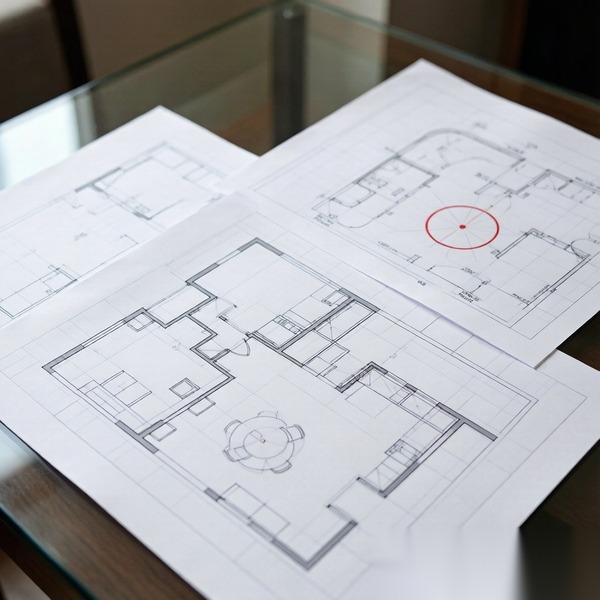
Minimum Information Needed to Start
For an early feasibility review, it is helpful to provide:
- The rendering, sketch, or reference image
- Project type
- Installation area
- Approximate fixture dimensions
- Required quantity
- Project location
- Preferred material or finish direction
- Target delivery period
- Any non-negotiable design features
This information is often sufficient for custom chandelier manufacturers to evaluate whether the concept is broadly achievable. Before you send your rendering, our custom hotel lighting quote checklist walks you through every detail a manufacturer needs to prepare an accurate first estimate.
Additional Information Needed for Engineering and Final Pricing
Before technical development and accurate pricing, the manufacturer may request:
- Floor plans
- Reflected ceiling plans
- Elevations
- Ceiling height
- Mounting height
- Confirmed fixture dimensions
- Ceiling and suspension conditions
- Material specifications
- Finish standards or color references
- Light source requirements
- Color temperature
- Dimming requirements
- Project voltage
- Certification requirements
- Packaging and installation requirements
The more complete this information becomes, the more accurately the manufacturer can develop the design, calculate cost, and estimate lead time.
How Does a Manufacturer Determine Whether the Design Is Feasible?
A professional feasibility review examines more than whether the fixture looks attractive. The manufacturer must determine whether it can be produced, transported, installed, and maintained safely.
Shape and Manufacturing Method
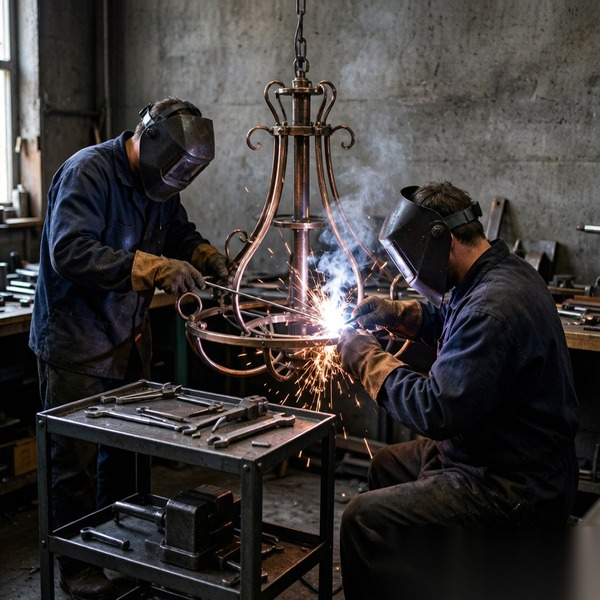
The engineering team reviews whether the intended shape can be achieved using available processes such as:
- Metal cutting
- Bending
- Spinning
- Welding
- Casting
- Glass forming
- Acrylic fabrication
- Crystal assembly
- Surface finishing
- Hand assembly
Very thin sections, unsupported curves, or extremely small decorative details may require modification.
Structure and Weight
The manufacturer considers:
- Total fixture weight
- Weight distribution
- Frame strength
- Suspension points
- Canopy structure
- Connections between modules
- Long-term stability
For large custom made chandeliers, structural engineering is essential because the visual concept may involve hundreds of individual components. When the fixture will anchor a hotel lobby, our guide to choosing the right large hotel lobby chandelier size explains how scale and ceiling height shape a safe, balanced result.
To see how these fixtures perform once installed, browse our large hotel lighting projects for completed hospitality references.
Lighting and Electrical Layout
The proposed fixture must have enough internal space for:
- LED modules or lamp holders
- Drivers and transformers
- Wiring
- Connectors
- Heat dissipation
- Maintenance access
The manufacturer also evaluates whether the requested light effect can be achieved within the proposed form.
Transportation and Installation
A chandelier that looks simple in a rendering may be too large to transport as a complete unit.
The manufacturer may need to divide it into modules based on:
- Crate dimensions
- Door and elevator access
- Site lifting capacity
- Installation sequence
- Number of installers
- Ceiling access
- On-site assembly time
These adjustments should be considered during development rather than after production.
Budget and Project Schedule
The proposed materials and processes must also align with the available budget and timeline.
A complex bespoke chandelier may require:
- Custom molds
- Hand-finished components
- Specialty glass
- Repeated prototype adjustments
- Longer material procurement
- More assembly and quality-control time
If the original concept exceeds the project constraints, the manufacturer can suggest alternative materials or construction methods while preserving the main visual character.
What Happens After the Manufacturer Reviews the Rendering?
Once the rendering and basic project information have been received, the project usually progresses through several stages.
1. Clarifying the Design Intent
The designer and manufacturer identify:
- Which visual features must remain unchanged
- Which details are still flexible
- What lighting effect is expected
- Which materials are preferred
- What functional requirements must be met
This prevents engineering changes from unintentionally weakening the design.
2. Identifying Missing Information
The manufacturer reviews the documents and lists any missing information, such as:
- Exact dimensions
- Installation height
- Ceiling structure
- Finish standards
- Electrical requirements
- Quantity
- Delivery location
This step is necessary before a dependable proposal can be prepared.
3. Providing Initial Feasibility Feedback
The manufacturer may then explain:
- Which parts can be produced as shown
- Which areas need structural adjustment
- Which materials are most suitable
- Whether modules or special supports are required
- Whether a prototype is recommended
- What lead time should be expected
4. Preparing a Preliminary Quotation
A rendering can often support an initial budget estimate when approximate dimensions, quantities, materials, and project location are known.
However, this is normally a preliminary quotation. The final production cost may change after the structure, finish, electrical system, installation method, and packaging are confirmed.
5. Developing Shop Drawings
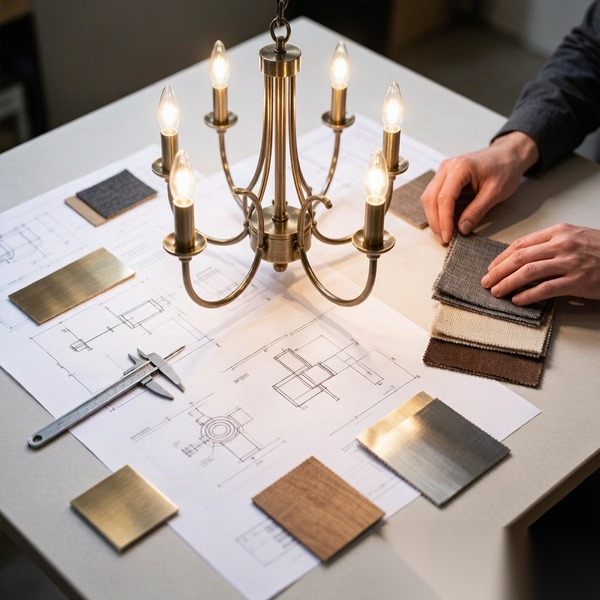
The visual concept is then translated into technical drawings that may include:
- Overall dimensions
- Component details
- Material specifications
- Finish references
- Internal structure
- Light source configuration
- Wiring arrangement
- Suspension points
- Canopy details
- Module connections
- Installation instructions
The designer or project team should review and approve these drawings before production.
6. Confirming Materials and Samples
Depending on the complexity of the fixture, approval may involve:
- Metal finish samples
- Glass samples
- Crystal samples
- Color samples
- Light-diffusion samples
- A partial mock-up
- A full prototype
The purpose is to verify aspects that cannot be judged accurately from drawings alone.
7. Final Approval and Production
Once the technical drawings, materials, finishes, electrical details, and samples have been approved, the project can move into production.
Can a Manufacturer Quote from a Rendering?
Yes, but it is important to distinguish between an early estimate and a final production quotation.

Preliminary Estimate
A manufacturer may provide an approximate price based on:
- Rendering or concept image
- Approximate dimensions
- Material direction
- Quantity
- Project location
- Required delivery period
This helps the designer determine whether the concept fits the project budget.
Final Production Quotation
A more accurate quotation normally requires confirmation of:
- Final dimensions
- Approved materials
- Surface finishes
- Internal structure
- Light source and electrical configuration
- Installation method
- Prototype requirements
- Certification
- Packaging
- Transportation requirements
Rendering-based pricing should therefore be treated as an initial estimate rather than a fixed production price.
What Changes May Be Needed Before Production?
Some engineering changes may be necessary even when the overall concept is feasible.
Typical adjustments include:
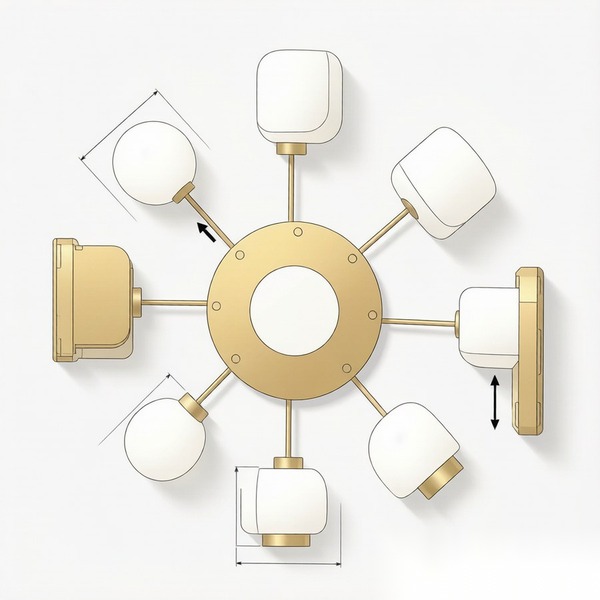
- Adding hidden structural support
- Increasing the thickness of fragile components
- Simplifying an impractical joint
- Reserving space for drivers and wiring
- Dividing the fixture into transportable modules
- Changing an unsuitable material
- Adjusting the canopy or suspension structure
- Revising certain dimensions for installation clearance
These changes should not be made without design approval.
A capable manufacturer should first identify the elements that define the custom chandelier design, then optimize the unseen engineering details around those priorities.
How Can Designers Keep the Finished Fixture Close to the Rendering?
The following practices help protect the original design intent.
Identify Non-Negotiable Features
The designer should clearly state which aspects cannot be changed, such as:
- Overall silhouette
- Key proportions
- Decorative spacing
- Material appearance
- Light-emitting areas
- Suspension rhythm
Provide Accurate Site Information
Incorrect ceiling height, mounting position, or spatial dimensions can cause the finished fixture to appear different from the rendering even when the product itself is manufactured correctly.
Review the Shop Drawings Carefully
The review should cover more than overall dimensions. Designers should also check:
- Component proportions
- Joint positions
- Suspension spacing
- Canopy dimensions
- Visible supports
- Material transitions
- Installation height
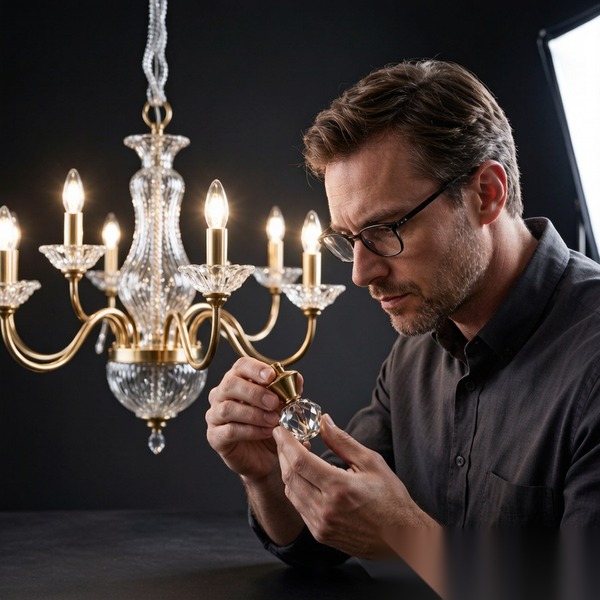
Approve Physical Finish Samples
Computer screens and rendering software cannot reproduce every real-world material effect.
Physical samples are especially important for:
- Plated metal
- Brushed finishes
- Painted surfaces
- Handmade glass
- Crystal
- Translucent acrylic
- Textured decorative materials
Confirm Structural and Material Changes
Any substitution or structural adjustment that may affect appearance should be documented and approved before production.
Use a Mock-Up When Necessary
A local mock-up can verify a complicated joint, decorative module, or lighting effect without producing the entire fixture.
For highly complex custom designed luxury chandeliers or large repeated orders, a full prototype may provide greater assurance.
When Is a Rendering Too Incomplete for an Accurate Review?
A manufacturer can begin a conversation from limited visual material, but some images are too incomplete for a dependable quotation or engineering decision.
Examples include:
- The fixture is too small in the interior image to see its structure
- Only one viewing angle is available
- There are no dimensions or scale references
- The image combines several unrelated fixture designs
- The suspension method is unclear
- Light-emitting areas are not visible
- The project environment is not identified
- An AI-generated image contains inconsistent or impossible geometry
In these cases, the manufacturer may still provide general feedback, but additional sketches, dimensions, or project drawings will be needed before the design can progress.
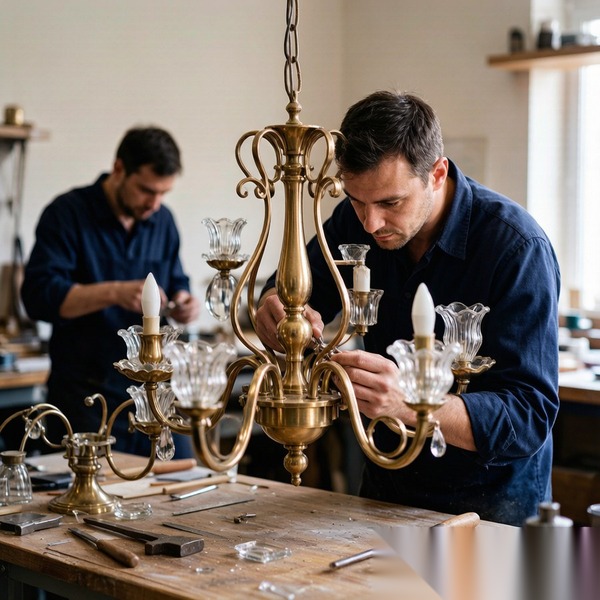
How Cuslux Develops Custom Lighting from a Rendering
Cuslux can begin an initial project review from an interior rendering, fixture image, concept sketch, CAD drawing, or reference photo.
The team first reviews the intended shape, scale, materials, lighting effect, installation environment, and project requirements. Engineering details are then developed through dimensional refinement, structural design, material selection, electrical configuration, and shop drawings.
Depending on the project, Cuslux can also provide material samples, partial mock-ups, full prototypes, pre-assembly inspection, custom packaging, and installation guidance.
Designers do not need to have complete production drawings before making the first inquiry. Providing the rendering together with basic dimensions, quantity, project location, and installation information is usually enough to begin an initial feasibility review.
To see these steps applied to real hospitality fixtures, explore our top custom hotel lobby chandeliers for luxury hospitality projects.
You can also review our custom lighting product collections for series-ready designs that can be adapted from your rendering.
FAQ
Can I contact a custom lighting manufacturer without CAD drawings?
Yes. A rendering, concept sketch, or reference image can be sufficient for an initial discussion. CAD drawings are helpful but do not always need to be available at the beginning. Technical drawings must still be completed and approved before production.
Can a manufacturer create a custom chandelier from a concept sketch?
Yes. Experienced custom chandelier manufacturers can interpret a concept sketch, clarify missing details, evaluate feasibility, and develop the technical drawings required for production.
Can a reference photo be used to develop a bespoke chandelier?
A reference photo can communicate the preferred style, shape, material, or composition. The manufacturer must still redefine the dimensions, structure, materials, electrical system, and installation method for the specific project.
Who prepares the shop drawings?
The custom lighting manufacturer normally prepares the shop drawings after reviewing the approved concept and project requirements. The designer, consultant, or project team then reviews and approves them before production.
Is a full prototype always required?
No. A simple fixture may only require approved technical drawings and material samples. A partial mock-up or full prototype is more useful for complex structures, unusual materials, special light effects, or high-volume projects.
How close can the finished chandelier be to the rendering?
The finished fixture can closely follow the rendering when dimensions, materials, finishes, lighting effects, engineering changes, and samples are clearly confirmed. Real materials and physical lighting may still appear slightly different from digital images.
Can the manufacturer determine the final size from the rendering?
The rendering can support an initial estimate, but the final dimensions should be based on actual room measurements, ceiling height, installation position, furniture scale, and required clearance.
Can custom made chandeliers be adjusted for different project locations?
Yes. The original design can often be adapted to different ceiling heights, room dimensions, electrical standards, installation conditions, and quantity requirements while maintaining a consistent visual identity.

Conclusion
A rendering is a practical starting point for a custom lighting project. It allows the manufacturer to understand the intended shape, proportion, material direction, and lighting atmosphere before complete production documents are available.
However, the rendering must be supported by project dimensions, material requirements, electrical specifications, installation conditions, and technical drawings before manufacturing begins.
The most reliable process is:
Rendering review to project clarification, feasibility assessment, preliminary quotation, shop drawings, material or prototype approval, then production.
For designers developing a custom chandelier, bespoke chandelier, or other decorative fixture for a hotel, restaurant, or commercial space, early collaboration with an experienced manufacturer can help preserve the design intent while resolving the structural and production details required for a successful installation.