


Who Owns a Custom Lighting Design? A Buyer’s IP Checklist

Zoey
Lighting Designer
Quick Answer
Custom lighting design ownership depends on the rights involved, applicable law and agreements. Separate the original concept, new drawings, manufacturing know-how and physical tooling; agree permitted use and handover before development.
You commission a sculptural pendant, pay for development and approve the sample. Later, you want the editable drawings, need to move production or discover a similar fixture in a supplier's portfolio. The phrase “our custom design” does not answer which of those actions the agreement permits.
A lighting project can combine a buyer's concept, a designer's drawings, a manufacturer's engineering and existing components. Custom lighting design ownership needs to be discussed at that level of detail. The practical purchasing objective is to identify the assets involved, establish who can authorize their use and agree what each party receives.
Key Takeaways
- Check your rights to the concept and reference materials before asking a factory to develop them.
- Separate design rights, engineering files, production know-how and physical tools.
- Define confidentiality and permitted use; an NDA alone does not establish exclusive manufacturing rights.
- Agree file handover, tooling arrangements and project-image publication before they become disputed requests.
Clarify Custom Lighting Design Ownership Before Sharing Drawings
Start with the material you intend to send. Is it an original concept created within your business, a commissioned designer's work, a licensed design or an image found online? Record its origin and any relevant permission. A useful-looking reference should not become an instruction to reproduce a third party's protected design without checking the rights involved.
The distinction matters because a lighting fixture's appearance can carry rights separate from its manufacture. WIPO's introduction to industrial designs explains that design protection concerns a product's ornamental features and that the forms of protection vary between legal systems. The fact that a manufacturer can engineer a shape does not establish that your business has permission to commission its commercial reproduction.
For commissioned work, review the original designer agreement. Identify what your business acquired and whether it can share the files with a manufacturer, authorize adaptations and use the result in the intended markets. WIPO's Looking Good guide, in its discussion of design ownership, emphasizes clarifying rights in the agreement and considering related copyright. Do not apply a presumed ownership rule from one country to every designer and supplier relationship.
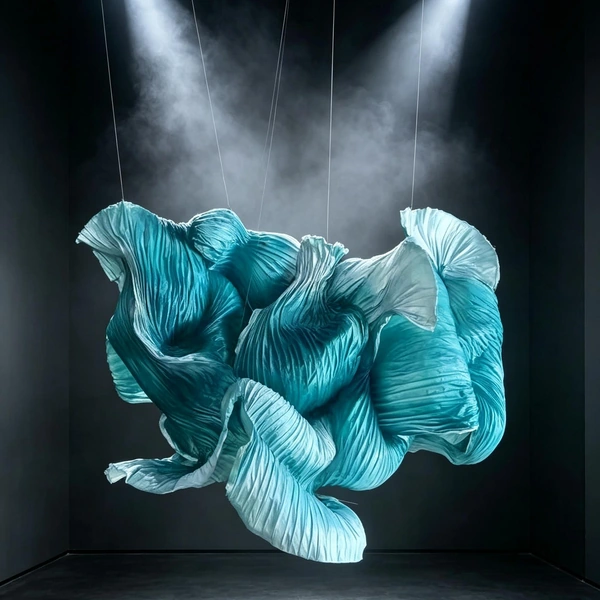
Where the source or permission is uncertain, pause that reproduction request and resolve it with the rights holder or an IP adviser. You can still describe the functional brief: the room, dimensions, lighting effect and desired material character. A mood reference can support a discussion of direction without being treated as permission to copy the depicted product.
Separate Lighting Tooling Ownership from Design and Engineering Files
A custom fixture may generate several assets: concept drawings, a production model, shop drawings, a physical sample and dedicated molds or assembly fixtures. They do different jobs. An agreement should identify them individually rather than state that one party owns “everything” while leaving the deliverables undefined.
Separate material already held by each party from work created for the project. A manufacturer may use existing construction methods, standard components or general production knowledge alongside a new decorative form. Ask which elements are specific to your commission and which remain part of an existing platform. The purchasing question is what rights and access your order requires, not whether every production technique can be described as your design.
Payment descriptions also need precision. A development charge may fund engineering work; a tooling charge may fund a particular physical tool. Neither description tells you, on its own, which editable files will be delivered or what use each party may make of them. Ask for the intended ownership, use and handover arrangements to be written beside the relevant asset and fee.
For lighting tooling ownership, identify the actual tool, its purpose, where it will be held and how it will be distinguished from shared equipment. Discuss maintenance, replacement, storage, permitted use and access. If future transfer matters, agree the release conditions, practical arrangements and associated costs before commissioning the tool. Do not assume that possession at the factory and ownership by the buyer are the same issue.
File handover deserves equal attention. A PDF drawing, an editable CAD file and a production-ready manufacturing package are different deliverables. Specify the formats, revision, included information and intended use you need, then ask what can be supplied under the proposed scope. Cuslux's article on developing organic sculptural lighting from a rendering explains the engineering work involved; it should not be read as a promise that every internal production file transfers with a fixture order.
Define Permitted Use in a Custom Lighting NDA
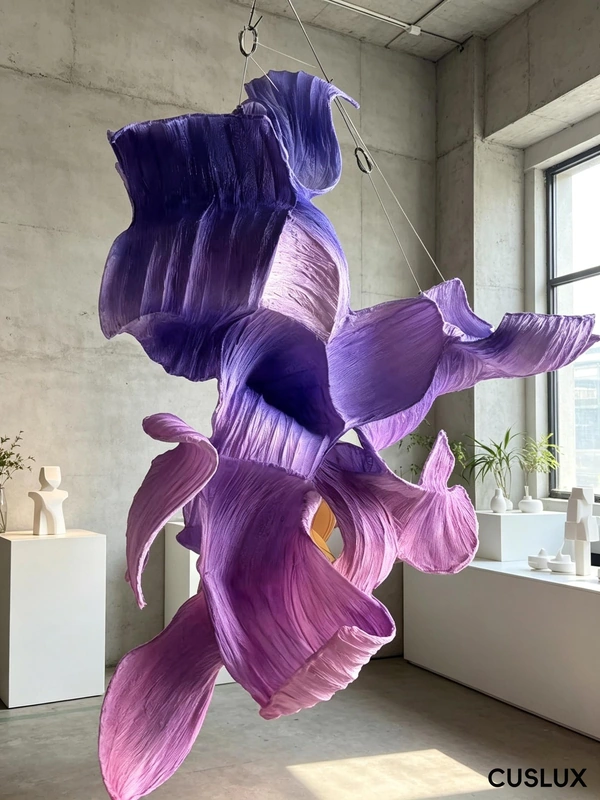
A custom lighting NDA should address the information that will actually move between the parties and the purpose for which it may be used. A feasibility review, detailed development and ongoing manufacture are different stages. Identify the drawings, specifications, images or commercial information to be protected and ask how the arrangement applies as the project progresses.
WIPO's trade-secret protection guidance describes practical measures such as marking confidential information, restricting access and using confidentiality agreements with business partners. The implication for procurement is practical: keep a record of what was shared, with whom, for which task and under which agreed terms. A signed document works alongside controlled disclosure, rather than replacing it.
Ask about other participants who may need access. A decorative lighting project may involve specialist processes or external contributors. Establish whether disclosure to them is permitted, what information they need and which confidentiality obligations apply. WIPO's trade-secret management guide discusses limiting external sharing to what is necessary and controlling access through appropriate obligations. The point is to understand the information route before distributing the complete design package.
Discuss permitted use as carefully as non-disclosure. If your concern is manufacture for another buyer, adaptation into a catalogue product or use of project images for promotion, raise those issues explicitly. Do not infer exclusive manufacturing rights or a transfer of design rights merely because the document is called an NDA. Have an adviser review how confidentiality, use restrictions and the development agreement fit together for the parties and jurisdictions involved.
Agree what happens when the quotation is declined, the project pauses or the relationship ends. Identify the treatment of files, samples, retained records and continuing obligations. Keep those decisions workable for the actual project; a general request to “delete everything” may leave unanswered questions about necessary records or physical tools held under a separate agreement.
Record Custom Fixture Design Rights, Exclusivity and Handover
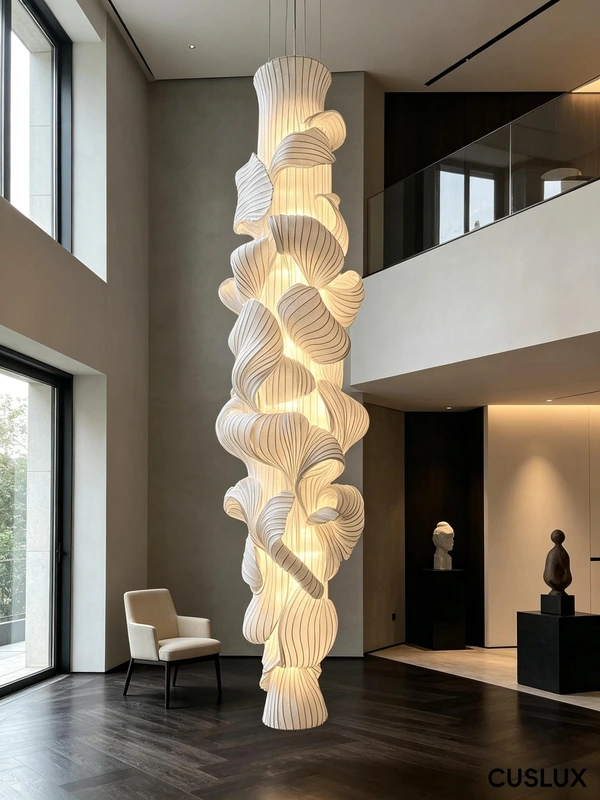
Turn the discussion into an asset-and-rights record before detailed development. This is a buyer's discussion checklist, not a legal contract. Use it to expose assumptions and give your adviser a concrete commercial scope to review.
| Discussion item | What to establish in writing |
|---|---|
| Original concept and references | Source, current rights holder and permission for the intended work |
| Existing supplier assets | Pre-existing components, drawings or know-how used in the project |
| New design and engineering outputs | Which outputs are created, who holds the rights and each party's permitted use |
| Files to be delivered | Specific documents, editable formats, revisions and delivery milestones |
| Physical tooling | Tool identity, ownership, storage, maintenance, use and release conditions |
| Confidential recipients | Authorized parties, purpose of disclosure and required obligations |
| Reuse and exclusivity | Covered design or product, permitted adaptations, markets and duration |
| Publicity | Permission for product images, project names, locations and publication timing |
| End of cooperation | Files, tools, samples, retained records and continuing rights or restrictions |
Define exclusivity around the commercial result you need. Exclusivity for one design is different from exclusivity for a market, customer group or product category. Identify its scope and duration, and discuss any conditions that affect continuation. Likewise, a right to manufacture an agreed product is different from ownership of every underlying file. Ask the adviser to make the intended permissions and restrictions consistent across the documents.
Plan for a future handover while cooperation is straightforward. If you expect to reorder through another manufacturer later, establish whether the agreed rights and deliverables support that use. Moving a physical mold may still leave engineering or validation work to be done. A transfer provision should identify the assets and assistance included rather than imply that another factory can immediately reproduce the approved fixture.
Agree publication separately. Permission to manufacture a chandelier does not resolve whether its images, the client's name or the project location may appear in advertising. If design protection is being considered, obtain advice on disclosure timing before publication: WIPO's Looking Good guide explains that public disclosure can affect the ability to obtain protection and that the relevant rules differ by jurisdiction. Include portfolio and social-media use in the discussion before promotional material is released.
Discuss Custom Lighting Design Ownership with Cuslux Before Detailed File Exchange
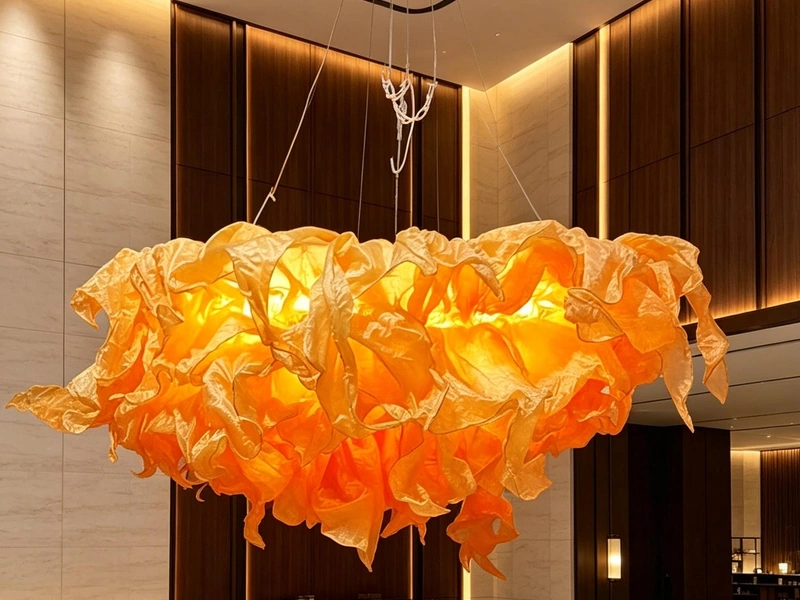
Cuslux's guide to working from a rendering describes the move from visual reference to production discussion. Its custom lighting process also covers design development and production stages. Those capabilities support a technical conversation; the rights, confidentiality and handover terms for your specific commission still need agreement.
Begin with a non-confidential project summary: fixture type, approximate dimensions, intended setting, destination market and quantity. Describe the source of the design at a high level and identify the arrangements your business needs, such as an NDA discussion, limits on reuse or particular file deliverables. There is no need to send the most sensitive editable files simply to establish whether the project is a potential fit.
Ask which company would contract for the work, which outputs it proposes to create and which rights or tooling terms it can offer. If your project requires an NDA, exclusivity or transfer of dedicated tools, request those terms for review. Do not assume an existing Cuslux policy settles them: the appropriate arrangement must be confirmed for the project.
To discuss a custom lighting development brief, send the initial summary and the unresolved items in the record above. Once the commercial scope and information-sharing arrangements are agreed, the detailed design package can be supplied through the agreed process. This gives both sides a clearer basis for development, pricing and future cooperation.
Custom Lighting Design Ownership FAQs
Does paying a tooling fee automatically settle design ownership?
Do not treat it as resolving all rights. Establish what the fee covers and separately agree the physical tool's ownership, permitted use and release terms. Identify any design rights and file deliverables you need. Have the agreement reviewed under the applicable law rather than relying on the payment label.
Is an NDA the same as an exclusive manufacturing agreement?
No. Confidentiality, permitted use and exclusive supply address different questions. An agreement may combine them, but its actual provisions must establish the intended scope. Check the covered product, parties, markets and duration instead of assuming that an NDA title prevents every form of reuse.
Can a reference image be used without checking permission?
Do not assume that public availability authorizes commercial reproduction of the depicted design. Identify the source and the rights needed for the intended use. If permission is unclear, resolve it before commissioning a reproduction and describe the functional or aesthetic brief without requesting an unauthorized copy.
Should publication of project images be agreed separately?
Yes. Discuss who may publish which images, names and locations, in which channels and at what stage. Check client permissions and any confidentiality restrictions. Where design protection may be sought, obtain advice on disclosure timing before putting the design into a public portfolio or campaign.