


Can You Order One Custom Chandelier? MOQ and First-Order Costs

Zoey
Lighting Designer
Quick Answer
A one-off custom chandelier can be possible. Confirm the custom lighting minimum order quantity for your exact design, separate development charges from the fixture price, and agree any sample credit before paying.
Key Takeaways
- Define whether you need an installed fixture, a development sample or a pilot order.
- Ask how the MOQ counts designs, finishes and electrical configurations.
- Compare the total first-order commitment, including work charged separately from each fixture.
- Budget sample fees as payable costs until a written credit condition is met.
One chandelier may be the entire lighting purchase for a villa entrance or the only custom feature in a boutique hotel renovation. The buyer needs a finished, usable product, a clear total cost and an agreed delivery scope. A supplier’s willingness to discuss one piece is the beginning of that decision.
Cuslux’s ordering FAQ describes standard-item quantities as usually one to five pieces and custom-project quantities as flexible, with even one piece possible. Those statements come from the Cuslux FAQ, which also sets out the conditions attached to them. Feasibility, configuration and commercial terms still need confirming for the particular chandelier.
Choose the Role of Your One-Off Custom Chandelier
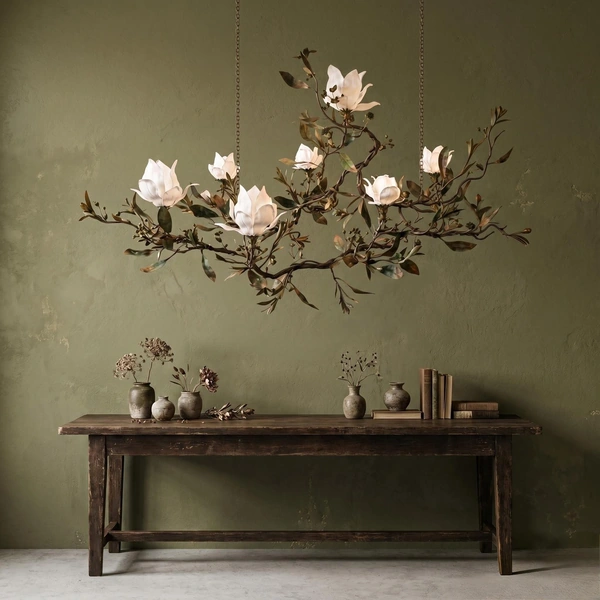
State what you intend to receive before asking for a price. A finished one-off fixture is ordered for installation in its agreed location. Its scope needs to include the components, documentation and packing required for that use. Calling it a sample because the quantity is one can leave those expectations unclear.
A development sample answers a design question. It might be a finish panel, a glass element, a section of an assembly or a complete fixture. Its agreed purpose determines what is made and what remains unproven. A decorative element can help establish appearance without demonstrating the construction of an entire chandelier. A working prototype also needs an explicit agreement before anyone relies on it as the final installed product.
A pilot order is a limited production quantity used to assess the agreed design and manufacturing approach before a wider release. Establish whether the pilot pieces will form part of the final supply, remain as references or be used for evaluation. Their treatment affects both the quantity still to be purchased and the first-order budget.
Choose the route that resolves your actual uncertainty. If the design is settled and only one installed chandelier is needed, ask for a finished one-off quotation. If the material or construction remains open, commission the development work required to resolve it. For a larger programme, ask whether a pilot stage is needed before committing to the remaining quantity. The custom lighting sample approval guide covers the technical checks once that sample scope has been agreed.
What Does the Custom Lighting Minimum Order Quantity Apply To
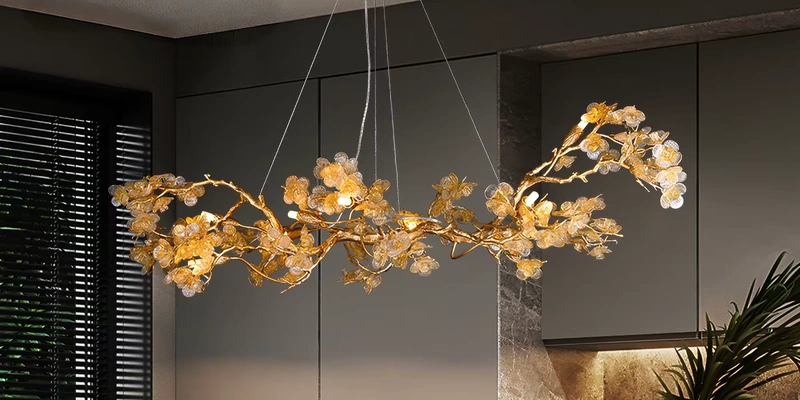
The custom lighting minimum order quantity is useful only when its counting basis is clear. Ask whether the minimum applies to each design, size, finish or electrical configuration, and whether different lines can be combined. A project total can conceal several small production runs. A common appearance does not establish that the manufacturer can treat all variants as one batch.
Consider a hypothetical order for four pendants: two in one metal finish and two in another. The purchase contains four fixtures, but the supplier may need to assess two finish groups. If the sizes or control components also differ, identify those differences before asking whether the four units meet the minimum. This example illustrates the question to ask; it does not describe a Cuslux quantity policy.
For a hotel lighting MOQ review, keep the lobby feature, guestroom fixtures and spare components identifiable. Ask which items can share a confirmed purchasing or manufacturing arrangement. Do not assume a high room-fixture count automatically qualifies an unrelated one-piece chandelier. Equally, do not buy unnecessary fixtures simply because an initial answer used an unexplained minimum.
Where a minimum prevents the order, ask what creates the restriction. It could involve the proposed component, material purchase, finish process or work needed to prepare the design. The response may suggest a more suitable route: adapting an existing design, retaining an available component, changing a finish or paying for a defined small-run setup. Request a revised offer for any alternative. Its availability and cost need confirmation; fewer changes do not automatically guarantee a lower price or earlier delivery.
Separate the Custom Lighting Sample Fee from Other First-Order Costs
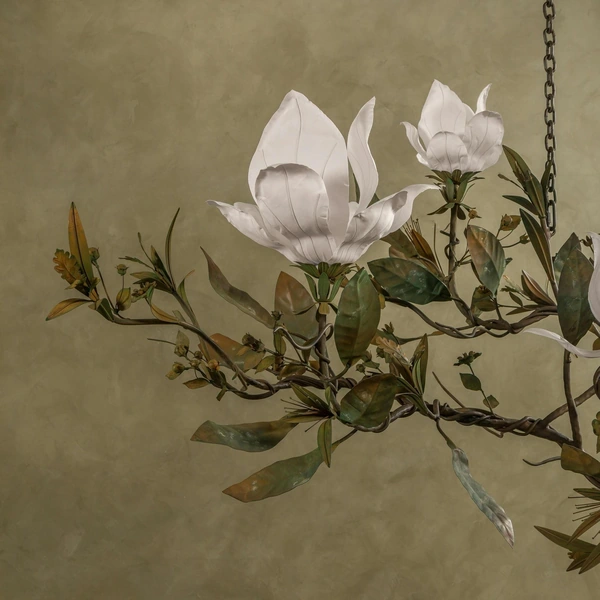
A unit price alone does not describe the first-order commitment. Ask what work is included in that price, what is charged once and what will be charged again if the design changes. The custom lighting sample fee should identify the actual sample and its deliverables, rather than serve as a vague heading for every cost incurred before production.
This distinction matters for a single chandelier. Engineering a support arrangement, developing a decorative component or preparing an assembly method may still be required when the finished quantity is one. At Cuslux, development of glass compositions can involve suspension positions, drop heights and numbered components. Large curved designs can require module planning, forming jigs and trial assembly. Ask which work applies to your proposed fixture and where its cost appears in the offer.
Use the following cost breakdown to request a complete offer. These are questions for the quotation, not a claim that every order needs every charge.
| Cost line | What the offer should identify | Decision before commitment |
|---|---|---|
| Design and engineering | Drawings, development scope and included revisions | Which work is included, and what triggers an additional charge? |
| Tooling or setup | Any new mould, jig or production preparation | Is it required for this design, and is it separately charged or included? |
| Sample or prototype | The physical item, documents and agreed purpose | Is it a development expense, an installable item or part of the final quantity? |
| Finished fixture | Quantity and exact configuration supplied | Does the unit price already include any development or sample work? |
| Testing and documentation | Agreed product and project evidence | What is included, what needs separate work and who supplies it? |
| Packing and transport | Packing scope, shipment basis and destination | What remains payable outside this quotation? |
| Changes and credits | Revision charges and any conditional deduction | What amount is payable now, and what can change later? |
For budgeting, add the fixture charges, separately billed development work and agreed delivery-related costs, then identify exclusions. Check that a cost included in the unit price has not also been added as a separate line. Keep possible future credits outside the amount you need to pay now unless the offer expressly applies them to that invoice.
Compare alternatives against the same outcome. A finish sample and an installed chandelier answer different needs, so a lower sample price says little about the cost of the finished purchase. Once the order route is clear, use the custom hotel lighting quote comparison guide to reconcile scope differences between offers.
Confirm Custom Lighting Sample Fee Credits and Repeat Orders
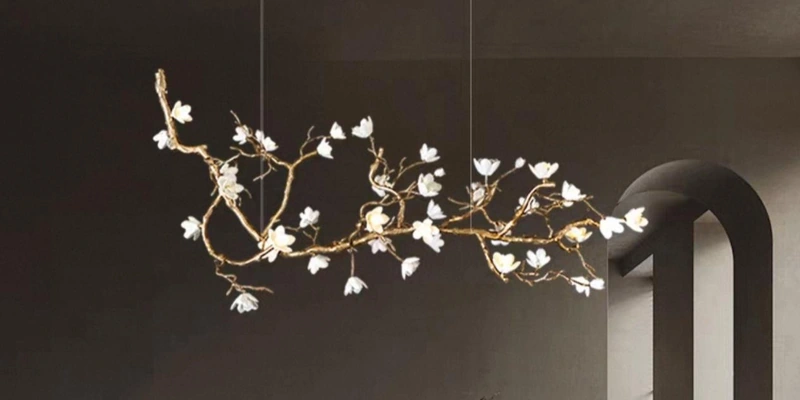
Cuslux’s service support FAQ states that samples and prototypes are charged according to the design, with the cost usually deductible or refundable after bulk-order confirmation. “Usually” leaves the actual arrangement to be confirmed. The relevant terms appear in the Cuslux support information, and their limits should be confirmed in writing. A one-off buyer should therefore request the payable sample terms without assuming a later bulk purchase will occur.
Ask whether the offer provides an invoice deduction, a cash refund or another agreed treatment. Record the eligible amount, qualifying order, required quantity or value, timing and the point at which the credit takes effect. Confirm whether delivery, testing and additional revisions are included in the eligible amount. The answer should be specific enough for purchasing and accounts to apply without interpreting a sales conversation.
Then connect the credit to the design being ordered. If the sample was developed for one fixture but the production order changes its size, material or construction, ask whether the original credit still applies and whether further development is chargeable. If a partial order is placed, establish whether it qualifies. These questions resolve the uncertainty before either side relies on an expected deduction.
For a project that genuinely requires only one chandelier, assess the offer as a completed purchase at that quantity. Buying extra fixtures to unlock a credit adds another commitment; compare the full additional cost with the deduction before accepting it. A future possibility should not make the present order appear cheaper than the amount the buyer must actually fund.
Repeat orders also need their own confirmation. Retain the fixture code, accepted revision and commercial record, then ask which development outputs can be reused. Check whether the same components remain available, whether a new setup or sample is required, and whether quantity or configuration changes affect the price. An earlier small-order exception does not establish a permanent MOQ or price for every later version.
Discuss Your Custom Lighting Minimum Order Quantity with Cuslux
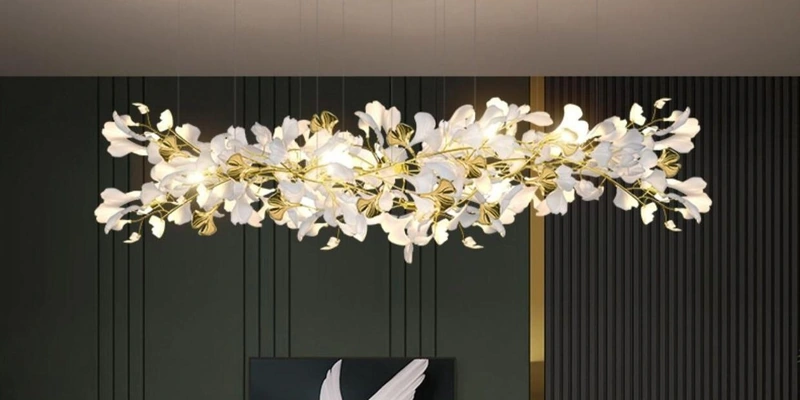
Make the first enquiry explicit: identify the quantity needed now, the intended use of the first item and whether any later order is confirmed or only possible. A villa owner who needs one finished piece and a hotel buyer developing a prototype for a future programme need different commercial responses. Labeling an unconfirmed rollout as a forecast helps keep the offer based on the commitment actually available.
Send the reference design, approximate dimensions, finish direction, destination and required date. Separate different versions and state whether the request concerns an existing design or a new concept. The custom hotel lighting quote checklist provides the detailed technical inputs; you can mark unresolved items rather than treating assumptions as final specifications.
Ask Cuslux to confirm the proposed order route, the custom lighting minimum order quantity for each relevant line, the cost breakdown and any sample-credit conditions in writing. If the original concept is unsuitable at the required quantity, request an alternative with its changes clearly identified. Compare that alternative with the design needs before committing to development.
Send your small-order lighting enquiry to Cuslux with the quantity and first-order purpose in the opening message. A useful response should let you decide whether to proceed with a finished one-off, commission a defined sample or revise the proposal before spending further.
Custom Lighting Minimum Order Quantity FAQs
Is a one-piece custom order the same as a sample order?
No. One piece describes quantity; a sample describes purpose. Confirm whether the item is a finished fixture for installation, a development sample or a production reference. If a prototype will become the installed chandelier, agree its final specification, acceptance, documentation and commercial treatment before relying on it for that use.
Does the MOQ apply per finish or to the full hotel project?
It depends on the supplier’s offer and the configuration. Request the counting basis for each design, finish, size and relevant electrical variant. A total project quantity does not establish whether separate versions qualify together. Ask for any permitted combinations to be identified in the quotation.
Is a sample fee always deducted from the bulk order?
No. Confirm whether a credit is offered, how much qualifies and which order triggers it. Cuslux describes deduction or refund as usual after bulk confirmation, subject to the particular arrangement. Budget the sample as a payable development cost until the agreed conditions for its credit are met.
What should be confirmed before ordering one chandelier?
Confirm the item’s intended use, the exact configuration, acceptance scope, all first-order charges, exclusions and delivery responsibilities. Agree the required documents and what happens if development changes the design. For a possible later order, record sample-credit and repeat-order conditions separately from the commitment to the first piece.